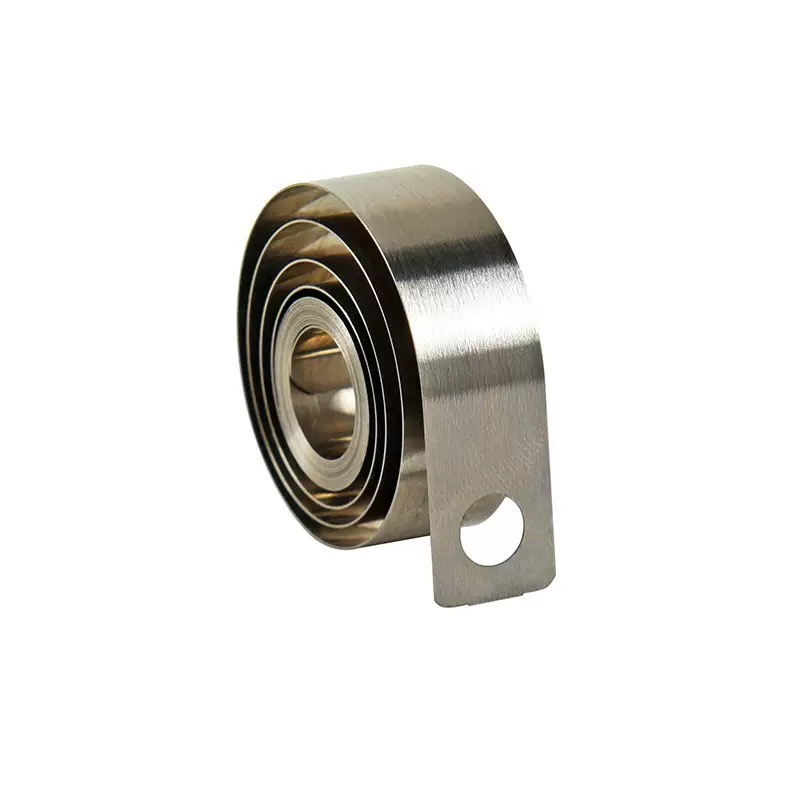
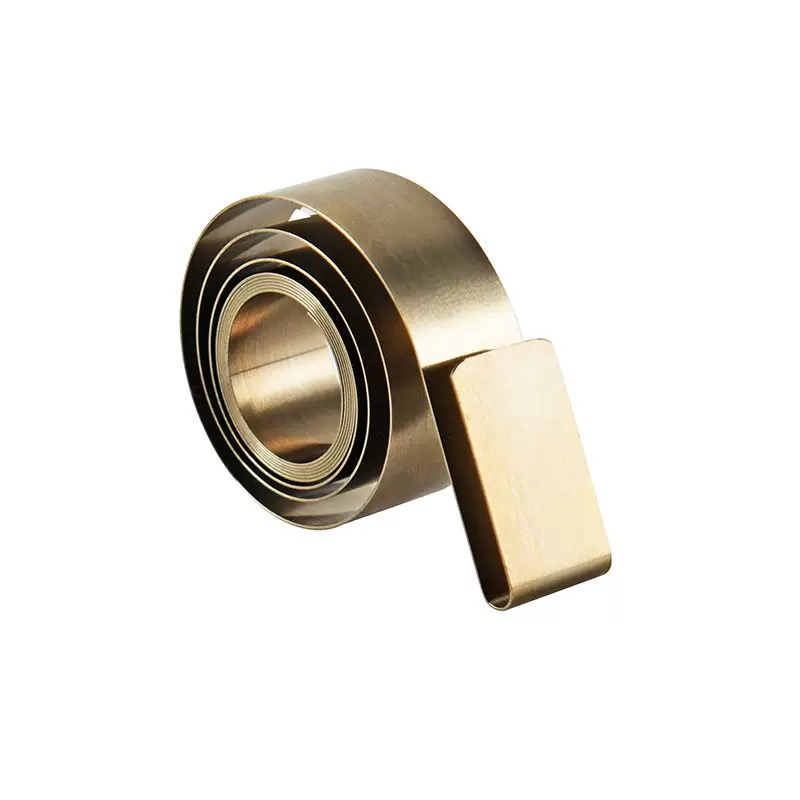
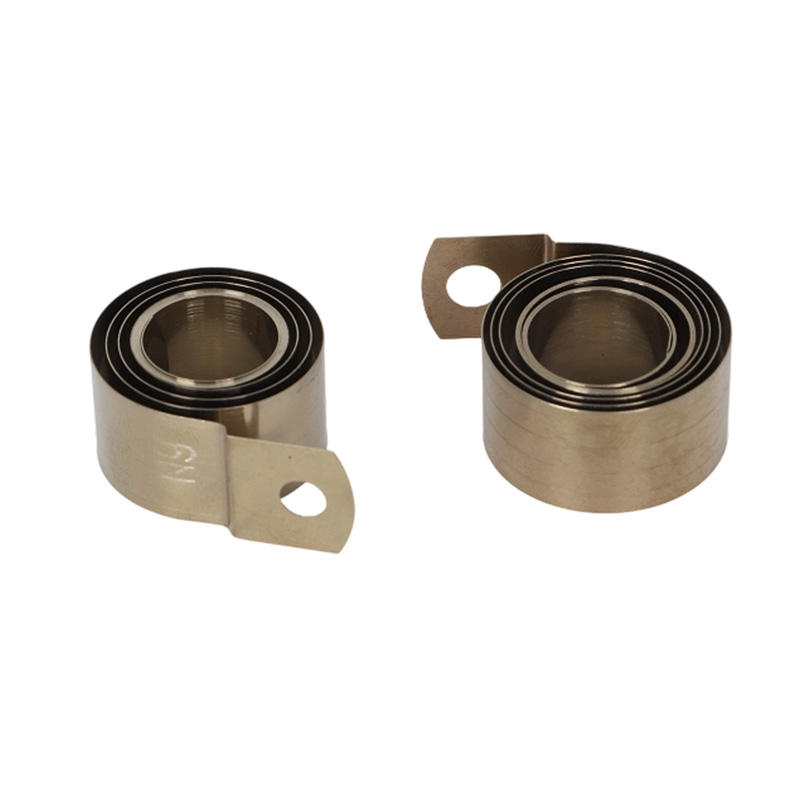
Match the force profile to the mechanism
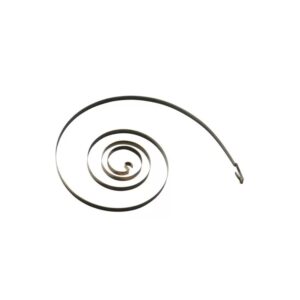
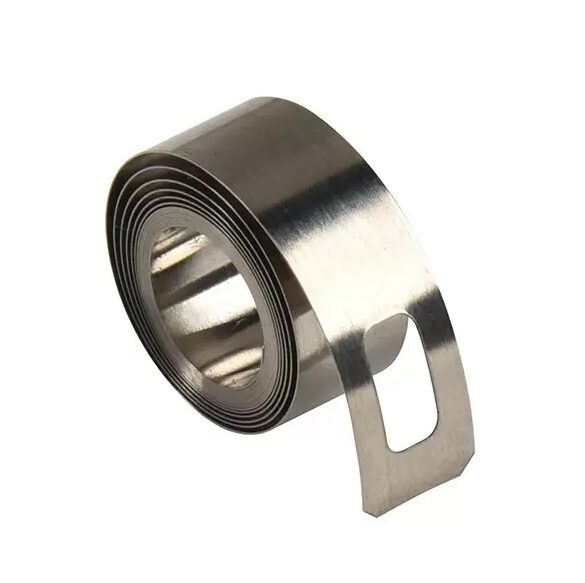
A variable force spring is selected when the required pull changes over the working travel. Define whether the force should rise, fall or follow another specified profile. The target curve and its permitted variation are more useful than a single nominal force.
We make custom variable force springs for shelf pushers and cordless blind mechanisms, including roller and venetian blinds. We match the spring design to the push or balancing force needed through the travel.
Define the force at key travel positions
- Force points: target force at stated extension positions, with units and permitted variation.
- Stroke: start position, total working travel and any installation extension.
- Installation: coil space, mounting support, strip exit direction and end attachment.
- Load: moving mass, friction and how the load changes during travel.
- Duty: target cycles, operating frequency and environmental exposure.
- Supply: sample quantity, production quantity and drawing revision.
For a shelf pusher, include the product pack size, loaded row length and the acceptable push at the last item. For a blind, describe the moving load and transmission arrangement.
Choose the material and strip size
We work with SUS301, SUS304, SK5, 65Mn and 60Si2Mn. Across our flat-strip products, the processing range is 0.1–0.6 mm thick and 1–100 mm wide, depending on the product, material and thickness–width combination. We confirm the material and strip size against your force targets and installation.
Include the required force at key positions and the mounting details alongside the dimensional drawing. We use these together to review the spring profile and the space needed for the coil.
Development and manufacturing
We develop springs from PDF, DWG, DXF or STEP drawings, or from a sample and the working mechanism details. Strip slitting and setting heat treatment are carried out in-house.
During sample development, we agree the force measurements at specified travel positions and the acceptable variation. Include the mounting arrangement so the checks reflect how the spring works in your mechanism.
Questions before requesting a quote
What if I only know the first and last force?
Send both values and the stroke length, plus any intermediate position that is critical to the mechanism. We will help identify the additional force points needed to define the working profile.
Should I choose variable force or constant force?
Use the required force profile to decide. If the target is approximately steady over the working stroke, review a constant force spring. If the requirement changes with position, review a variable force design.
Can a sample be developed before production?
Yes. We can develop samples from your drawing or an existing spring. A typical starting quantity is 10 samples, with a production MOQ of 500 pieces; the quantities and tooling are confirmed for your project.
How are lead time and life agreed?
Samples generally take 7–10 days, and normal production takes 10–15 days depending on quantity and spring complexity. We confirm how days are counted, the start date and the schedule in the quotation. Share the intended operating cycles and conditions so we can agree the life-evaluation requirements separately.
Discuss your spring requirements
Send the force values and travel you need, together with a drawing, sample or mechanism photographs. Include your sample and production quantities.